NW3 short distance removals cost guide and quote tips
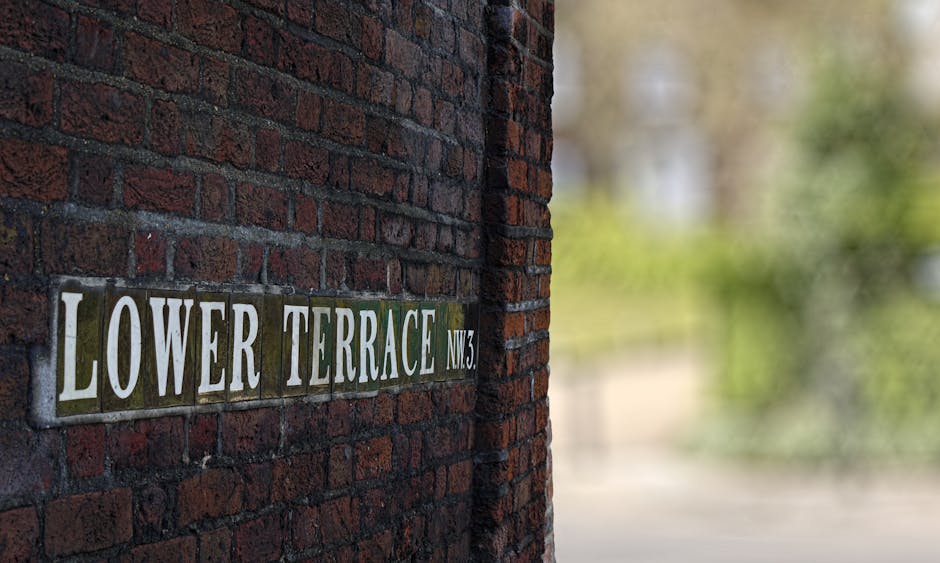
If you are planning a move within NW3, chances are you are not looking for a huge long-haul relocation. You want something quick, tidy, and fairly priced. That is exactly where a clear NW3 short distance removals cost guide and quote tips can save you time, money, and a fair bit of stress. Short-distance moves can look simple on paper, but in London they still come with stairs, parking issues, tight access, and the usual "where did the sofa even come from?" moment.
This guide breaks down what affects the price, how local removals quotes are usually put together, what to ask before booking, and how to spot the difference between a sensible quote and a vague one. It is written for real people doing a real move, not just for search engines. Let's make it easier.
Why NW3 short distance removals cost guide and quote tips Matters
NW3 has its own moving rhythm. You have a mix of period flats, maisonettes, mansion blocks, houses on quieter residential streets, and a lot of buildings where access is not exactly generous. Short distance removals may seem cheaper than a full-scale house move, but local conditions can still push the cost up if you are not prepared.
That is why a pricing guide matters. It helps you understand what you are paying for before the van arrives. It also helps you ask the right questions, which sounds obvious, but in practice many people skip this part and then feel surprised by the final invoice. Nobody enjoys that phone call.
For a short move in NW3, the big cost drivers are usually not the miles. It is the time, the access, the number of handlers needed, the parking situation, and whether anything awkward needs dismantling or special care. Even a move between streets that are only a few minutes apart can take longer than expected if one property is on a busy road and the other has a steep staircase and no lift.
Good quote tips matter just as much. A strong quote should be specific, transparent, and based on your actual belongings and access conditions. If the quote feels a bit too quick and a bit too neat, that is worth a second look. To be fair, a lot of removals problems start with a quote that was never detailed enough in the first place.
Quick takeaway: in NW3, short distance removals are often priced more by labour, access, and time than by mileage. The more accurate your inventory and property details, the better your quote is likely to be.
How NW3 short distance removals cost guide and quote tips Works
A short distance removals quote normally starts with a simple question: what needs moving, where from, where to, and how difficult is the job likely to be? From there, the mover estimates the vehicle size, number of staff, and time required. In many cases, this is done from a phone call, photos, or a video survey. Sometimes, for larger flats or awkward access, an in-person survey is the safer option.
The basic price structure often includes:
- Labour time - how long the team is on site, including loading and unloading.
- Vehicle use - van size and transport between addresses.
- Access factors - stairs, lifts, narrow hallways, long carries, or awkward parking.
- Special handling - heavy furniture, fragile items, art, mirrors, pianos, or appliances.
- Extra services - packing, dismantling, reassembly, or waiting time.
For short local moves, the travel distance may be only a small part of the job. The real question is how quickly and safely the crew can move everything. If you live in a top-floor flat in NW3 and the van cannot park directly outside, the job is still "short distance" but it is not necessarily "quick" in removals terms. You will notice that many quotes reflect this.
There are two common quote styles. The first is an hourly rate, which suits compact moves where the volume is unclear or access may be straightforward. The second is a fixed price, which is usually based on a detailed inventory and a clearer picture of the route, access, and risk. Neither is automatically better. What matters is whether the pricing method matches the job.
One practical point: if a quote is only based on vague descriptions like "small flat" or "few boxes and a bed," it is likely to be less reliable. A sofa, wardrobe, mattress, desk, and ten boxes can still be a surprisingly bulky load. Truth be told, removals people are used to this sort of understatement.
Key Benefits and Practical Advantages
When you understand how local removals pricing works, you are in a much stronger position. The main benefit is not just saving money, although that helps. It is avoiding surprises and making the whole day feel calmer.
- Better budgeting: you can plan the move cost more realistically, especially if you are also paying deposits, cleaning fees, or utility handover costs.
- Fewer disputes: a detailed quote reduces the chance of last-minute add-ons.
- Faster booking: movers can give you a more accurate slot when they know the full picture.
- Less stress on moving day: there is a lot less back-and-forth if access and item lists have already been discussed.
- More suitable service: you can decide whether you need a man-and-van style service, a two-person crew, or something more structured.
There is also a practical local advantage. In NW3, short-distance moves often involve timing around parking restrictions, school runs, busy roads, and building rules. A well-planned quote helps the removals team prepare properly, which can make the whole move run smoother. That smoothness is worth something, even if it is not always visible on a spreadsheet.
And yes, sometimes the cheapest quote looks tempting. But if it does not include the actual realities of the move, it can end up costing more. The "cheap" option is not always cheap once the clock starts ticking.
Who This Is For and When It Makes Sense
This guide is especially useful if you are:
- moving between two homes within NW3 or nearby London postcodes
- relocating from a flat to a house, or the other way around
- moving student accommodation, a studio, or a one-bedroom flat
- downsizing and only taking selected furniture
- handling a same-day or next-day move
- arranging a small office or home office relocation
- trying to compare moving company quotes without getting lost in the jargon
It also makes sense if you are the kind of person who wants a move to feel organised rather than improvised. That may sound obvious, but a lot of moves happen in a rush. People leave the quote conversation too late, then wonder why every option feels expensive. If you are facing a deadline, this is exactly the kind of guide that helps you avoid paying for panic.
Short distance removals are often a good fit for people with a limited inventory, predictable access, and a modest amount of furniture. If you have only a few larger items, the job may be suited to a smaller van and fewer crew members. If you have awkward access, heavy pieces, or multiple floors, you may need more support than you first think.
Step-by-Step Guidance
1. Make a proper inventory
List everything you want moved, room by room. Include bulky items, fragile pieces, and anything that needs dismantling. A good inventory does not need to be fancy. A notes app is fine. The point is accuracy. If the quote is based on guesses, the price will probably wobble later.
2. Check both addresses carefully
Provide the exact floors, lift availability, stair count, parking arrangements, and whether there are any tight corners or narrow entrances. In NW3, this can make a real difference. A short carry from van to front door is very different from carrying furniture across a courtyard, up two flights, and round a bend that barely fits a wardrobe.
3. Ask how the quote is calculated
Is it hourly or fixed? Does it include fuel, parking, congestion exposure where relevant, and loading time? Does the price change if the job runs longer because of waiting or access issues? These are not awkward questions. They are sensible ones.
4. Request a written quote
Always get the details in writing. A message or email is fine if it clearly sets out the scope. It should mention the items included, the service date, the pricing basis, and any likely extras. If the quote is only verbal, you have less to stand on if something changes.
5. Compare more than the headline price
Compare what is included, not just the number. One mover might be slightly more expensive but include dismantling, reassembly, and two movers for the whole job. Another might look cheaper but charge for every extra half hour. That small difference can become a real one.
6. Confirm access and parking details before moving day
If the van cannot stop outside, tell the company early. The same goes for parking permits, narrow roads, or building rules. A ten-minute drive can turn into a waiting game if parking is not thought through. And waiting time, as you might imagine, tends to show up on the bill.
7. Leave a small buffer in your plan
Short moves can go quickly, but they can also stall because of lift access, packing delays, or last-minute disassembly. Build a little breathing room into your day. You will feel better for it, honestly.
Expert Tips for Better Results
Here are the quote and planning tips that genuinely help in real moves, not just in theory.
- Use photos or a short video walk-through. This is often the easiest way to show the volume of items and awkward furniture.
- Be honest about difficult items. If there is a heavy sofa, a glass table, or a big wardrobe, say so. Surprises on moving day are nobody's friend.
- Ask about minimum charges. Some short jobs have a minimum booking time, which can affect the final cost.
- Check whether the team can dismantle and reassemble furniture. This is useful for beds, wardrobes, and desk systems.
- Find out if materials are included. Protective covers, blankets, straps, and trolleys matter more than people think.
- Book early for awkward dates. Fridays, month-end moves, and school holiday periods can be busier.
- Keep essentials separate. Put documents, chargers, keys, and a kettle in a bag you can find instantly. A small thing, but a lifesaver.
One subtle but important point: the best quote is not always the cheapest or the fastest. It is the one that reflects the reality of your move. That sounds a bit plain, but it is the truth. A realistic quote usually means fewer arguments, better planning, and less stress when the front door is finally shut behind you.
If you can, ask whether the mover has experience with the kind of property you are in. In NW3, that can mean period homes, flat conversions, basement access, or tight residential streets. The more familiar they are with local conditions, the more likely they are to estimate accurately.
Common Mistakes to Avoid
Even small moves can become messy if the basics are missed. These are the mistakes that tend to cause problems:
- Giving a vague inventory. "A few boxes" is not enough if there is also a bed, a bookcase, and three bins full of kitchen stuff.
- Forgetting access details. If the mover does not know about stairs, lifts, or parking restrictions, the quote may be off.
- Choosing only on price. The lowest quote can be a false economy if it does not include the real work involved.
- Not asking about extra charges. Waiting time, difficult access, dismantling, and packing materials can all change the final amount.
- Leaving packing too late. A rushed pack-up can increase the time the team spends on site.
- Assuming short distance means easy. In removals, short does not always mean simple.
There is also a quieter mistake: not checking whether you actually need help. Some people book a service that is too small, thinking they will "make it work," then end up stretching the crew thin and making the day longer than necessary. Other people book too much. A little judgement goes a long way.
And one more, because it happens a lot: do not forget that old chest of drawers with the jammed back panel in the spare room. It always turns up somewhere in the quote discussion, usually at the least convenient moment.
Tools, Resources and Recommendations
You do not need a complicated toolkit to get an accurate removals quote. A few simple things make life easier:
- Phone camera: good photos of rooms, furniture, stairs, and entrances help create a more reliable estimate.
- Notes app or spreadsheet: useful for listing furniture, box counts, and any specialist items.
- Measuring tape: helpful if you want to confirm whether larger furniture will fit through doors or hallways.
- Calendar app: useful for booking elevators, parking windows, or time slots at both properties.
- Labels and tape: simple, but incredibly effective for box organisation.
For recommendations, start with clarity rather than speed. The better the information you provide, the less likely you are to get a quote that feels loose or padded. If a mover offers a video survey, use it. If they ask for more detail than you expected, that is usually a good sign, not a nuisance. They are trying to price the move properly.
You may also want to note the condition of both properties. Recent decorating, narrow hallways, delicate flooring, or tight staircases can affect how much care is needed. This is not about being overcautious. It is about making sure the job is realistic from the start.
Law, Compliance, Standards, or Best Practice
For a domestic move in London, you generally want a removals company that works to sensible professional standards and handles your items responsibly. While short-distance removals are not usually complicated from a legal standpoint, there are still some best-practice points worth keeping in mind.
First, make sure any mover you hire is properly insured for the type of work they are doing. That should include cover that is appropriate for handling goods in transit and public-facing work. You should ask what is covered and what is not. This is especially important for fragile, high-value, or hard-to-replace items.
Second, parking and access should be handled lawfully and politely. In areas like NW3, loading restrictions, bay rules, and resident permit zones can affect the move. It is your responsibility to check local arrangements where needed, and the mover's responsibility to avoid creating avoidable problems. Best practice here is simple: plan ahead and do not assume street parking will magically work out. It usually does not.
Third, packing matters. Good removals practice includes sensible wrapping, safe stacking, and clear labelling. If you are packing yourself, avoid overloading boxes and make sure fragile items are cushioned properly. A box that is too heavy is not clever; it is just difficult.
Finally, if you are moving into a managed building, check any building-specific rules about lift bookings, floor protection, or moving times. These rules can be annoying, yes, but they exist for a reason. Dealing with them early keeps the day smooth and keeps everyone less grumpy.
Options, Methods, or Comparison Table
Different types of short move suit different households. Here is a practical comparison to help you decide what you actually need.
| Option | Best for | Typical advantages | Potential downsides |
|---|---|---|---|
| Hourly local removals | Small to medium short moves with uncertain timing | Flexible, often suitable for simple local moves | Final cost can rise if delays occur |
| Fixed-price removals | Moves with a clear inventory and access details | More predictable budgeting | May require more detail up front |
| Man and van service | Light moves, a few items, student or studio relocations | Often practical for small loads | May not suit heavy furniture or larger households |
| Two-person crew | Flats, furniture-heavy moves, awkward access | Better lifting support and speed | Usually costs more than a solo operator |
| Full removals team | More complex domestic moves, multiple rooms, or higher service needs | More efficient, better for larger loads | May be more than you need for a short local move |
In practical terms, a short move from one NW3 flat to another may not need a full-scale removals package. But if there are stairs, tight doors, or a lot of furniture, a slightly bigger crew can actually be cheaper overall because the move finishes faster. That is one of those counterintuitive things that catches people out.
Case Study or Real-World Example
Imagine a couple moving from a one-bedroom flat in NW3 to another property only a few streets away. On paper, it sounds straightforward. The distance is short. The belongings are moderate. No long drive. Easy, right?
Then the details appear. The first flat is on the third floor with no lift. The sofa is bulky. The bed needs dismantling. The new place has a narrow entrance hall and limited waiting space outside. Suddenly, the move is no longer just about miles. It is about handling time, planning, and access.
In this sort of scenario, a rough verbal quote often turns out less useful than a detailed written one. The better estimate comes from sharing photos, giving a full room list, and confirming the stairs, parking, and furniture type. That might add ten minutes to your day, but it can prevent a much bigger problem later.
In our experience, the people who feel happiest after a short local move are usually the ones who did three things well: they described their items honestly, checked the access properly, and asked what the quote actually included. Nothing glamorous. Just good planning. Simple, but effective.
Practical Checklist
Use this checklist before you confirm your booking.
- Make a full room-by-room inventory.
- Count boxes and include larger items separately.
- Note stairs, lifts, and parking restrictions at both addresses.
- Confirm whether the quote is hourly or fixed.
- Ask about dismantling and reassembly.
- Check whether packing materials are included.
- Request a written quote with all likely charges shown.
- Confirm access times and any building rules.
- Keep valuables, documents, and essentials with you.
- Leave a small timing buffer for delays.
If you can tick all of those off, you are already ahead of most people. Really. Most quote problems are not mysterious; they are just missing details.
Conclusion
A well-planned move in NW3 does not need to be stressful or expensive for no reason. The key is understanding what drives the price, checking how the quote is built, and being honest about the practical realities of your property. Once you know that, comparing options becomes much easier and the whole thing feels less like guesswork.
Short distance removals are usually manageable, but only if the quote reflects the full job rather than just the postcode gap. Be specific, ask proper questions, and keep an eye on access details. That is where the real savings often come from.
Get a free quote today and see how much you can save.
And if you take one thing from this guide, let it be this: a calm move is usually a well-prepared move. Not perfect, just prepared. That is enough.
Frequently Asked Questions
How much do short distance removals in NW3 usually cost?
The cost depends on the size of the move, access conditions, the number of movers needed, and whether the job is charged hourly or as a fixed price. Short distance does not automatically mean low cost, because labour and access still matter a lot.
Is a fixed price or hourly rate better for a local move?
A fixed price can be better if you know exactly what is being moved and the access is clear. An hourly rate can suit smaller or simpler moves, but it becomes less predictable if delays are likely. The best choice depends on the shape of the job.
What details should I include when asking for a removals quote?
Include a full inventory, addresses, floor levels, lift access, parking details, large furniture, and whether anything needs dismantling or special handling. The more detail you give, the more accurate the quote is likely to be.
Do I need to pay extra for stairs in a flat move?
Sometimes, yes. Stairs can affect labour time and the number of movers needed. Not every company charges for this in the same way, so ask how access is factored into the quote.
Can I save money by packing everything myself?
Yes, often you can reduce costs by doing your own packing. Just make sure boxes are not overfilled and fragile items are wrapped properly. Poor packing can slow the move down and cause avoidable damage.
How far in advance should I book a short distance removal in NW3?
As soon as you know your date, ideally. Busy periods like month-end, weekends, and school holidays can fill up quickly. If your date is flexible, you may have more room to compare prices.
What if my mover arrives and the job is bigger than expected?
That is exactly why a detailed inventory matters. If the job is larger than described, the price may change. A written quote and clear communication before moving day can reduce the chance of disagreements.
Are man and van services suitable for short local moves?
They can be, especially for small flat moves, a few pieces of furniture, or lighter loads. If you have many items, heavy furniture, or tricky access, a larger crew may be more efficient.
Should I ask about insurance before booking?
Yes. Always check what insurance is in place and what it covers. It is sensible to understand the level of cover before your belongings are loaded.
What is the biggest mistake people make when comparing quotes?
The biggest mistake is comparing only the headline price. A lower number may exclude important work such as dismantling, reassembly, waiting time, or awkward access. Always compare the full scope, not just the first figure you see.
How can I make moving day run more smoothly?
Prepare a clear inventory, pack early, label boxes, confirm parking and access, and keep your essentials in one place. A bit of organisation goes a very long way, and it usually makes the day feel calmer from the first van arrival.