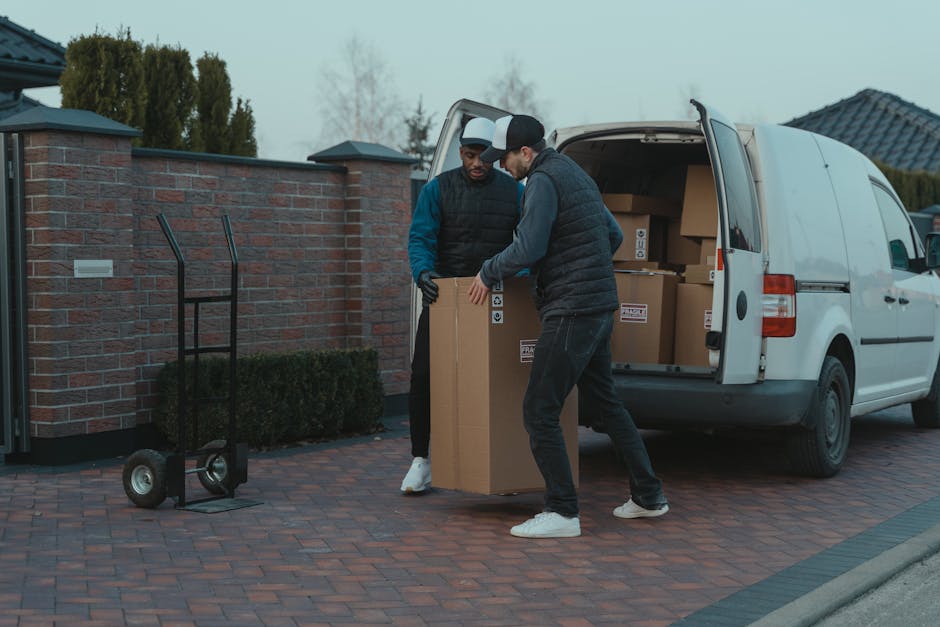
What to expect from a Hampstead man and van on move day

Move day has a way of feeling both simple and slightly chaotic. Boxes are stacked by the door, the kettle is somewhere in a half-packed kitchen, and you are trying to remember whether the spare keys are in the hallway drawer or already in your coat pocket. If you are booking a Hampstead man and van service, knowing what to expect from a Hampstead man and van on move day can take a lot of the pressure off. You will know what happens first, what the crew will handle, and where you still need to stay involved.
This guide walks you through the full day in plain English. It covers arrival, loading, access issues, timing, pricing, safety, and the little details that often matter most in Hampstead, where parking can be tight and stairwells are rarely generous. Truth be told, a smooth move is usually about preparation rather than drama. Let's make it feel manageable.
Why what to expect from a Hampstead man and van on move day Matters
A move is easier when the process is predictable. That sounds obvious, but in practice people often book a vehicle and a pair of hands without fully understanding how the day runs. Then the van arrives, someone is still wrapping plates, and suddenly every minute feels expensive. Knowing the rhythm of the day helps you avoid that feeling.
In Hampstead, there is another layer too. Streets can be narrow, parking may be restricted, and some properties have awkward access, basement steps, shared entrances, or long carries from the kerb. A good man and van team will factor this in before they even lift the first box. If they do not, you notice pretty quickly.
There is also the trust side of it. Move day means handing over your furniture, your boxes, sometimes your most awkward items, and letting someone work around your home. It is reasonable to want clarity: who is coming, what they are bringing, how long it should take, and what happens if something changes. That clarity is part of the service, not an extra.
If you are comparing different levels of help, it can be useful to look at the broader range of removal services or man and van support available, especially if your move is larger than a simple few-item collection.
Expert summary: The best move days are not the ones where nothing changes; they are the ones where everyone knows the plan, the access, the load order, and the likely timing before the van door even opens.
How What to expect from a Hampstead man and van on move day Works
A typical man and van move is straightforward in concept, but the details matter. You book a slot, explain what needs moving, confirm access and timing, and then the driver or moving team arrives with the right vehicle and equipment. On the day, they will usually assess the load, protect items where needed, and then start carrying things to the van in an organised way.
In practical terms, the process often goes like this:
- Arrival and check-in. The team confirms the job, checks access, and looks at the items to be moved.
- Parking and route planning. They decide the safest and quickest way to load, especially if parking is limited or traffic is busy.
- Furniture protection. Blankets, straps, trolleys, and covers may be used depending on the move.
- Loading. Larger items usually go in first, with boxes and lighter items packed around them to reduce movement.
- Transport. The driver takes the most practical route, with care for time windows, congestion, and local access.
- Unloading and placement. Items are taken to the correct room where agreed, which saves you the messy back-and-forth later.
That is the broad version. The real day can look a little messier, of course. A lift might be out of order. Someone might have packed a wardrobe box that is far heavier than it should be. The difference with a good service is that they adapt calmly instead of making every issue feel like a crisis.
If you need something more tailored, such as a full house move, you may want to compare with house removals or home moves. Those services are often a better fit when the job involves many rooms, delicate furniture, or a long day with multiple stops.
Key Benefits and Practical Advantages
The main reason people choose a man and van on move day is flexibility. It is usually quicker to book, easier to scale to the size of the job, and often more practical than hiring a larger removal setup for a modest move.
- Flexible for smaller or medium moves. Ideal if you are moving from a flat, studio, or one- to two-bedroom property.
- Good for awkward access. A smaller van can be easier in Hampstead streets where space is limited.
- Less waste of time and money. You are not paying for more vehicle than you need.
- Useful for short-notice moves. If plans change, the service is often more adaptable than a larger operation.
- Hands-on help. You are not managing the load alone, which matters when a sofa turns sideways in a narrow hallway.
There is a real comfort in having someone who has done this before. They know how to angle a mattress around a bend, how to secure fragile items, and how to avoid that annoying "one more trip" moment. Small thing, but it counts.
For some readers, it is also worth considering related services such as flat removals, student removals, or same-day removals if the move is time-sensitive.
Who This Is For and When It Makes Sense
This kind of service suits a wide range of movers, but it is especially useful for people who want practical help without the scale of a full removal crew. If that sounds like you, you are probably in the right place.
It tends to make sense if you are:
- moving from a flat, studio, or smaller house
- relocating within Hampstead or nearby London areas
- moving on a tighter timeline
- transporting a mix of boxes and furniture
- moving a single bulky item rather than an entire household
- combining a move with short-term storage
It also works well for people who need a simple, reliable service without overcomplicating the day. A student moving out of term-time accommodation, for example, may only need one vehicle, two people, and a clear plan. A couple moving from a second-floor flat with no lift may need a bit more patience and the right packing strategy. Different situation, same principle: fit the service to the job.
For businesses, the needs are slightly different. A quick office transfer may be better matched to commercial moves or office removals, especially where desks, screens, or files need to be moved in an ordered way.
Step-by-Step Guidance
If you want the move day to feel less like a scramble, it helps to break it into sensible stages. Here is the version most people benefit from.
1. Confirm the booking details
Before move day, check the time window, what is included, whether stairs or long carries were mentioned, and how payment works. If you are unsure about the estimate, a page such as pricing and quotes can help set expectations before the day arrives.
2. Prepare the property
Make hallways clear, protect floors if needed, and move loose items away from the path. If you have children or pets, plan where they will be during loading. It sounds minor. It is not minor when the front door keeps opening and closing while someone is carrying a wardrobe.
3. Finish packing before the team arrives
This is one of the biggest difference-makers. Ideally, boxes should already be sealed, labelled, and grouped by room. If packing still feels unfinished, consider whether packing and boxes or packing and unpacking services might reduce the pressure.
4. Walk through the job with the mover
When the team arrives, show them what is going, what stays, and anything fragile or awkward. Mention items that need extra care, such as mirrors, art, or a heavy chest of drawers with loose handles. A quick ten-minute briefing saves a lot of confusion later.
5. Let the loading order work for you
Good loading is not random. Large and heavy items are usually placed to create stability, while boxes and smaller items fill the gaps. That is one reason a professional removal van or moving vehicle is more than just a box on wheels.
6. Check the destination before unloading
If the new place has access rules, parking restrictions, or a lift booking, make sure those are in place before the van gets there. You do not want to discover that the loading bay is locked just as the couch is halfway out. Been there, seen that, no one enjoys it.
7. Do a final sweep
Before the crew leaves, check cupboards, loft spaces, under beds, and charging sockets. It is astonishing how often a phone charger, a small bag, or the kettle disappears into the "we will sort it later" category.
Expert Tips for Better Results
A smooth move usually comes down to a few small habits. None of them are dramatic, but together they make the day easier.
- Label by room and priority. "Kitchen - first open" is more useful than "misc."
- Keep essentials separate. Put passports, keys, medication, chargers, and one change of clothes somewhere easy to reach.
- Use uniform box sizes where possible. It makes stacking safer and quicker.
- Be honest about item weight. A box of books is not just a box. It is a workout.
- Reserve parking if needed. In tight London streets, that can save a surprising amount of time.
- Measure large items. Especially if you are moving wardrobes, beds, or anything with a fixed frame.
One practical detail people miss: keep a couple of cloths or a roll of tape close by. There is always one drawer that opens in transit. Always. It is one of those tiny move-day gremlins that makes you sigh and laugh at the same time.
If your move has unusually awkward items, you might also want to compare with furniture removals or piano removals rather than relying on a standard van setup.
Common Mistakes to Avoid
Most move-day headaches are preventable. The tricky bit is that they usually feel small right up until they are not.
- Underestimating packing time. Packing on the morning of the move almost always creates stress.
- Not checking access. Staircases, lifts, and parking can make or break the schedule.
- Overfilling boxes. Heavy boxes are harder to carry and more likely to split.
- Leaving loose items lying around. Small bits become missing bits.
- Forgetting to communicate special items. Glass tables, antiques, and electronics need advance notice.
- Assuming every van service works the same way. Different operators may include different levels of help, so ask clearly.
Another common one: people assume a move is "only down the road" so it will be quick no matter what. Not always. A short distance in Hampstead can still take time if access is awkward, the load is heavy, or the weather decides to be unhelpful. London does love a surprise drizzle.
Tools, Resources and Recommendations
You do not need specialist kit to prepare well, but a few basics go a long way.
| Item | Why it helps | Best use |
|---|---|---|
| Strong boxes | Protects contents and stacks safely | Books, kitchenware, mixed household items |
| Permanent marker | Makes room labelling clear | Box sides and top |
| Packing tape | Keeps boxes secure | Sealing and reinforcing bottoms |
| Blankets or covers | Reduces scuffs on furniture | Tables, wardrobes, polished surfaces |
| Furniture straps | Keeps items stable in transit | Large or tall furniture |
| Trolley or dolly | Reduces strain and speeds up loading | Heavy boxes and appliances |
If you are unsure how much help you need, it can be useful to review the wider range of removal services and decide whether a van-only move, a full team, or extra packing support fits best.
For people moving between properties and not yet ready to unload everything, short-term storage can be the calm, sensible middle ground. Not glamorous, but very useful.
Law, Compliance, Standards and Best Practice
Move day is practical, but it still sits within wider expectations around safety, care, and fair service. You do not need to become a compliance expert, thankfully, but it helps to know what good practice looks like.
A reputable mover should be able to explain how they handle items safely, protect property, and manage vehicle loading. They should also be clear about payment terms, booking conditions, and complaints handling. If you want a clearer picture of how a provider approaches these matters, pages such as health and safety policy, insurance and safety, terms and conditions, and payment and security can be helpful.
In UK moving work, best practice usually means:
- carrying items with due care
- using suitable equipment for weight and access
- being transparent about what is included in the booking
- treating your property with respect
- making sure vehicles are loaded securely for transit
If a company offers recycling or donation support for unwanted items, that can also be a useful sign. It suggests they are thinking beyond the immediate van load, which is often better for everyone. For more on that side of things, see recycling and sustainability.
Options, Methods, or Comparison Table
If you are deciding between a man and van, a full removal team, or a specialist service, this comparison should help.
| Option | Best for | Typical strengths | Possible drawbacks |
|---|---|---|---|
| Man and van | Small to medium moves, flexible jobs | Fast to book, cost-conscious, practical in tight streets | Less suitable for very large or complex moves |
| Full removals | Larger household moves | More capacity, more hands, better for heavy or numerous items | Can be more expensive and less flexible |
| Specialist removals | Fragile, heavy, or unusual items | Extra equipment and care for specific belongings | May not cover the whole move on its own |
There is no single right answer. A one-bedroom flat in Hampstead Garden Suburb is not the same as moving a family house with three wardrobes and a box of garden tools that somehow weighs a ton. Be realistic, not optimistic. That usually saves money in the end.
If you are still deciding, it can help to compare man with a van, man with van, and more structured house removals options before you book.
Case Study or Real-World Example
Here is a realistic example. A couple in Hampstead needed to move from a second-floor flat to a nearby house a few streets away. They had a sofa, a bed frame, two desks, six medium boxes, and a few fragile kitchen items. Nothing outrageous, but the hallway in the flat was narrow and the parking outside was limited.
They packed everything the night before, labelled boxes by room, and moved small valuables themselves in a rucksack. On move day, the driver arrived on time, checked the route from front door to van, and immediately spotted that the sofa would need to go out at an angle. That tiny observation probably saved fifteen minutes and a headache. The team loaded the larger furniture first, then stacked the boxes around it so nothing shifted in transit.
At the new property, they had already cleared the entrance and opened interior doors. The whole move was finished without drama, and the only real delay was a neighbour briefly blocking access with recycling bins. Annoying, but manageable. That is how most decent moves go: a few small adjustments, no big chaos, and everyone gets on with their day.
The couple later said the most useful part was not the van itself, but the sense that the plan had already been thought through. That is often what you are paying for. Calmness, really.
Practical Checklist
Use this before the van arrives. It is the sort of list that prevents the classic "oh no, we forgot the cutlery drawer" moment.
- All boxes sealed and labelled
- Fragile items marked clearly
- Keys, documents, chargers, and medication set aside
- Hallways and entrances cleared
- Parking or access arrangements checked
- Lifts or loading bays booked if needed
- Large furniture measured against doorways and stair turns
- Pets and children safely out of the loading path
- Special items mentioned to the mover in advance
- Final room-by-room sweep completed before leaving
Quick reminder: if your move includes items that need extra care or a more specialised setup, it is worth checking whether a broader removals solution is more suitable than a light-load van booking.
Conclusion
So, what should you expect from a Hampstead man and van on move day? In simple terms: a practical, flexible service that helps you load, transport, and unload your belongings without the stress of doing everything alone. The real difference comes from planning. Good access details, sensible packing, clear communication, and a team that understands local streets all make the day smoother.
If you prepare well, a move that felt overwhelming yesterday can feel surprisingly orderly by lunchtime. That is the goal. Not perfection. Just a calmer day, fewer surprises, and your things arriving where they should, in one piece.
Get a free quote today and see how much you can save.
And if you are still refining your plan, it never hurts to read more about the team, policies, and service options before moving forward. A little preparation now can make all the difference later, and frankly, your future self will be grateful.
Frequently Asked Questions
What usually happens when a man and van arrives on move day?
The team normally checks the job details, reviews access, confirms what is being moved, and then starts loading in a sensible order. If you have done your prep, the process tends to move quickly.
How early should I be ready before the van turns up?
Ideally, everything should be packed, labelled, and near the exit before arrival. Leave only the absolute essentials for your final sweep. That way the crew can start straight away rather than waiting while you finish boxing up the kitchen.
Is a man and van enough for a full house move?
Sometimes, yes, but not always. It depends on the size of the property, the number of items, access, and whether you have furniture that needs extra handling. Larger or more complex jobs may be better suited to house removals.
What if my flat has no lift or awkward stairs?
That is common enough, especially in London. Tell the mover in advance so they can plan timing, equipment, and manpower properly. A tricky stairwell is not a disaster, just something to plan for.
Can I ask the team to place boxes in specific rooms?
Yes, and it is usually a good idea. Clear room labels make unloading much easier and save you a lot of effort later. Just keep the instructions simple and visible.
How do I know if I need packing help as well?
If you are short on time, dislike packing, or have fragile items that need careful wrapping, extra help may be worthwhile. Services like packing and unpacking services can reduce stress a lot.
What should I do with furniture I do not want to keep?
You can separate it in advance and speak to the mover about whether it can be taken away or whether a dedicated collection would be better. For larger items, furniture removals or furniture pick up may be more suitable.
How can I avoid extra delays on move day?
Clear access, good parking, finished packing, and honest item lists make the biggest difference. The less the crew has to guess, the faster things usually go.
Do man and van services handle same-day bookings?
Some do, depending on availability and the size of the job. If your move is urgent, it is worth asking early rather than assuming it cannot be done. A quick booking can be a lifesaver in a tight situation.
What should I check before paying?
Make sure you understand the quoted scope, timing, payment method, and what happens if the job changes. It is also sensible to review the provider's terms and conditions and payment and security information.
What if I need to store items between homes?
That happens more often than people think. Short-term storage can be a very practical bridge if your dates do not line up neatly.
Is a man and van a good choice for students moving in Hampstead?
Yes, especially if you are moving between rooms, flats, or shared houses and do not have much furniture. A simple, flexible service often fits student moves better than a larger removal setup.
How can I tell if a mover is professional?
Look for clear communication, realistic timing, sensible questions about access, and a calm approach on the day. Professional movers do not need to make a song and dance about it. They just get on with the job properly.